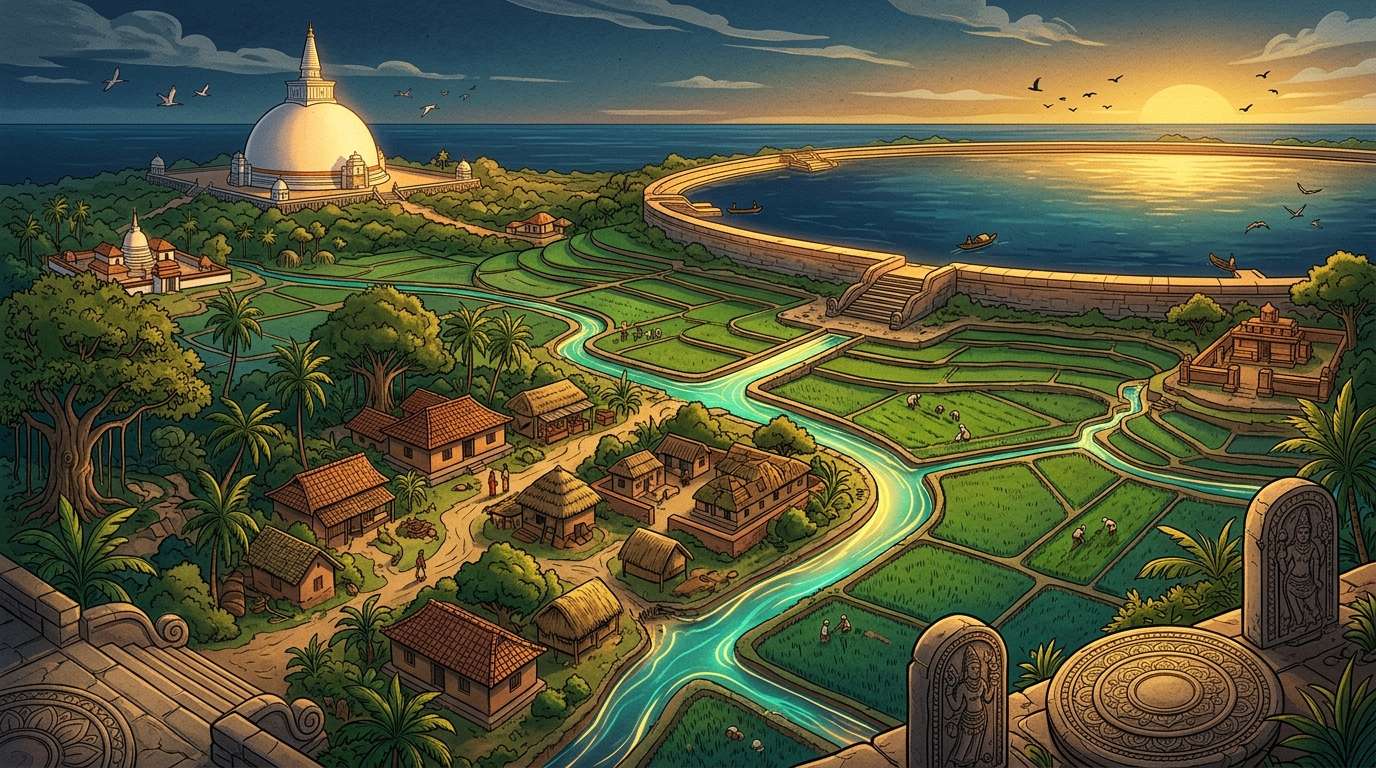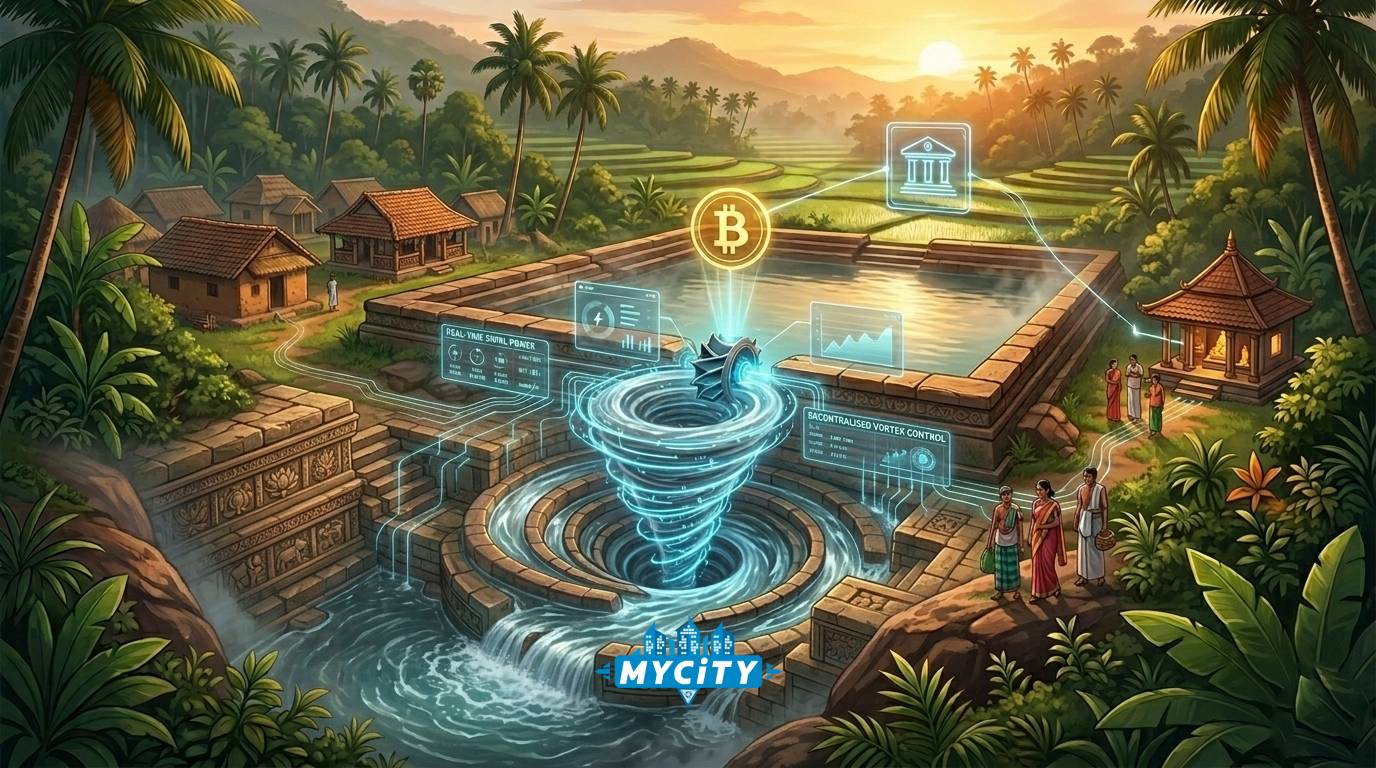
Nine pages. No logo, no company, no face. On this day a person, or a group, calling themselves Satoshi Nakamoto sent a paper called Bitcoin: A Peer-to-Peer Electronic Cash System to a mailing list of cryptographers. It described money that moves from one person to another without a bank in the middle. At MyCity we read it as something bigger: a blueprint for how people can build together without asking permission.
Four dates. One idea.
Tap a date to see what happened.
Better with code than with words.
It’s very attractive to the libertarian viewpoint if we can explain it properly. I’m better with code than with words though.Satoshi Nakamoto, cryptography mailing list, 14 November 2008
That line is a small confession and a big invitation. The code was finished. The explaining was not. Seventeen years later the job is still open, and it belongs to all of us.
Here is our attempt. The liberating part of the libertarian idea is not about being alone. It is about being free to choose who you build with. Free to say yes to people who love the world, and free to walk away from those who do not. Bitcoin turned that freedom from a philosophy into software.
Satoshi, in ten kanji.
Nobody knows who Satoshi Nakamoto is. The name sounds Japanese, and in Japanese a name is a small poem: the same sound can be written with different characters, and each character changes the meaning. Satoshi is commonly written with the ten characters below. Tap one and see which Satoshi you get, then try 里 and 市 together. Nakamoto is often written 中本, roughly “the origin at the centre”. Both are our reading of a pseudonym. The real person has never confirmed any of it.
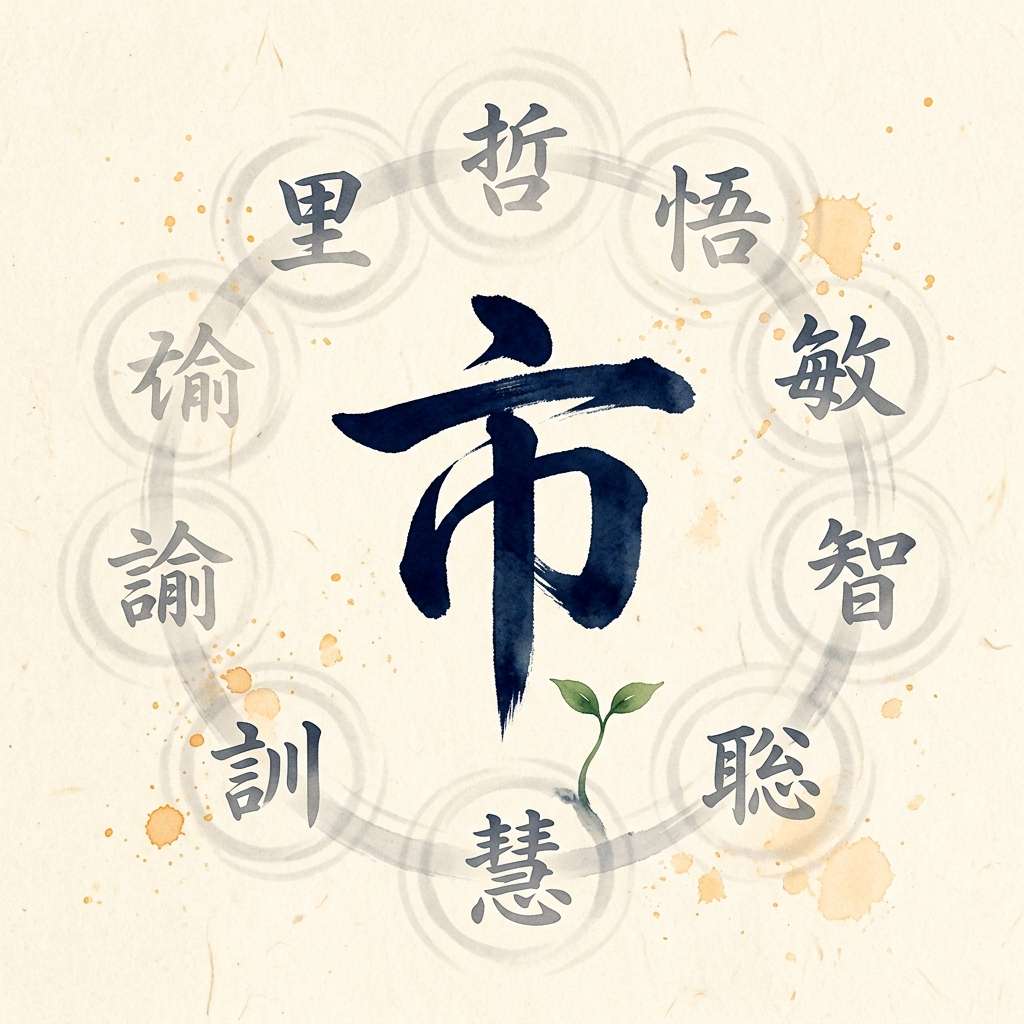
Meanings follow Wiktionary. The MyCity notes are ours.
中本, pulled apart.
The family name Nakamoto, 中本, is read なかもと: naka for 中 and moto for 本. Where did these two characters come from, and how were they first drawn? Let us take them apart and follow each one back to the beginning.
里市, pulled apart.
Put 里 and 市 side by side and they can be read さとし, Satoshi. The first character is read in its native Japanese way, sato. The second is read in its Chinese-derived way, shi. Native first, borrowed second: Japanese has a name for that pattern, yutō-yomi (湯桶読み), after the word 湯桶 itself, which is read that way. Let us take the two characters apart, one by one, and see where each came from and how it was drawn.
Four characters, one message.
We have taken each character apart. Now put them back in order, 中本里市, one at a time, and read what the meanings say together.
The root at the centre grows a hometown, and the hometown grows a city.MyCity, reading 中本里市
A centre no one owns
The middle is a pole everyone can see, not a throne. A network whose centre belongs to nobody and serves everybody.
Growth from a root
Nothing lasting is built on nothing. A city that begins as a hometown keeps its roots, and its people keep their belonging.
From local to global
The market is not the goal. It is what grows when people who share a root meet, trade and build together.
That is how we read it: a decentralised city is not built from the top down. It starts at a shared centre, sinks a root, grows a hometown and lets the hometown become a city. It is also a fair summary of what MyCity is building.
This is our reading of the characters, not a claim about the pseudonym or the person behind it.
An idea that outgrew its author.
Satoshi stepped away from public view in 2011 and left the project to the people running it. That is the part we admire most. A system that works only while its founder is watching is a company. A system that keeps working after the founder leaves is a commons.
Proof, not permission
Bitcoin never asked anyone to approve it. It ran, kept running, and the years became the argument.
Rules you can read
The rules are public and the same for everyone. A city can work the same way: open books, shared decisions.
Ideas over idols
No face to follow, only a design to check. We want to be judged by what we build, not by who we are.
From one mailing list to the whole world.
The paper did not go viral. It spread the way real ideas do: one reader at a time, each circle a little wider than the last. Step through it.
Dates and events follow the public record of the cryptography mailing list, the P2P Foundation post and Satoshi’s published emails.
The handle is almost as old as the paper.
The MyCity account on X dates from December 2008, weeks after the white paper reached the cryptographers’ mailing list, and about a month before the genesis block was mined on 3 January 2009. MyCity has been part of the Bitcoin vision for almost eighteen years. That is what an idea like this does. It does not need an owner to find the people who will build on it.
Three profiles: Skylord, MyCity and EMC Business, in the order they appeared on X. Look closely at the timestamps and at the small details on each screen. The full story behind the three handles is on its own page.
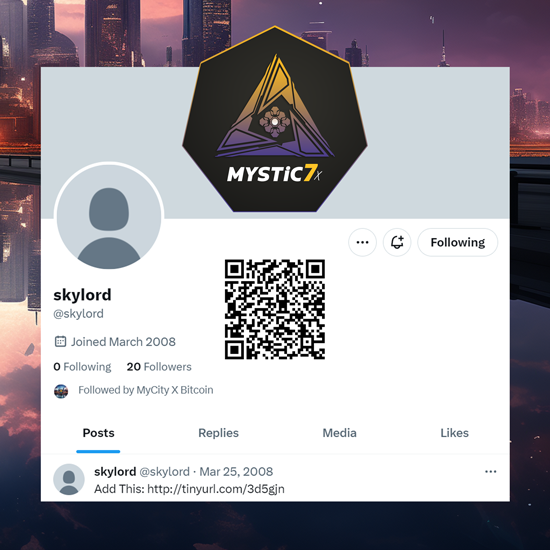
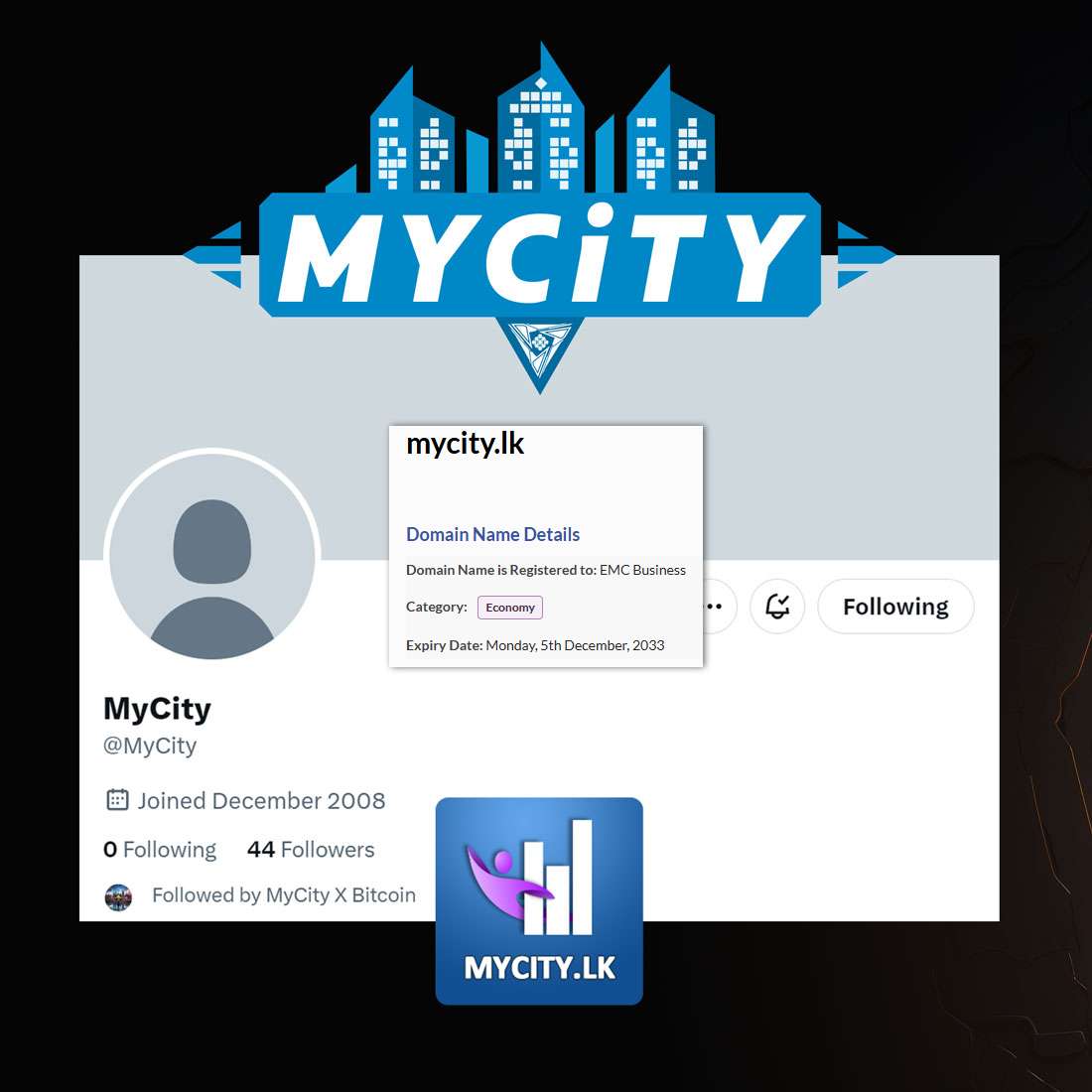
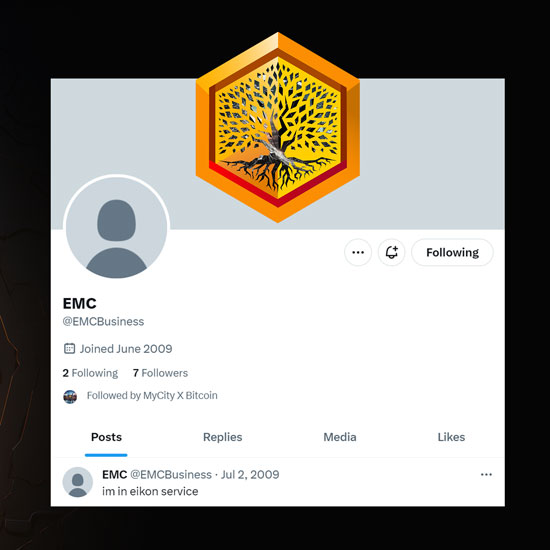
Read the story behind the handles
Join dates are as shown on each public profile. This is our own story and makes no claim about anyone else.
You can build on a vision without owning it.
Satoshi could have been the founder and CEO of the most valuable start-up of the century. He had the code, the first coins and the audience. Instead he published nine pages, released the software as open source, and in April 2011 told a developer he had moved on and that it was in good hands with Gavin and everyone.
- From
- Satoshi Nakamoto
- To
- Wei Dai
- Date
- Friday, 22 August 2008
- Subject
- Citation of your b-money page
“I was very interested to read your b-money page.”
“I’m getting ready to release a paper that expands on your ideas into a complete working system.”
“I need to find out the year of publication of your b-money page for the citation in my paper.”
Satoshi
Read that again. The person who would later say nothing about owning his work began by asking someone else for the year of their page, so he could credit them. Bitcoin was never a lone invention. It stood on Wei Dai’s b-money, Adam Back’s hashcash and the work of many others who shared their ideas freely. Satoshi took a vision, built on it, and passed it on. That is the chain we mean.
We cannot read Satoshi’s mind, so this is our reading, and we hold it firmly. We think he set out to prove something no company could prove: that you do not need to own a business to change the world. You do not need to put your name on it. You do not need to control it. Look at how he built it. Every choice points the same way, away from ownership, away from a name, away from control. Tap each one.
That is detachment, and it is a kind of strength. The less you cling to ownership, a name and control, the more freely an idea can travel. Understand the psychology behind it and the point is clear: one person, without ever becoming a CEO, can set something in motion that reaches the whole world. Maybe he wanted someone in particular to see exactly that.
This is the heart of a decentralised autonomous organisation: people who understand the purpose, agree on rules anyone can read, and build, with no boss to ask. Once you understand what Bitcoin is for, you can build on it. That is what MyCity has been doing, and it is the invitation to you.
Why never show a face?
Satoshi never appeared in public, never claimed the coins and never said a word about who they were. To us, that is not a mystery to solve. It is a decision to understand. Here is our reasoning, and it is only reasoning. Tap each thought.
Whoever Satoshi is, one person or many, the choice looks wise to us. A group of people who came together to build something, and then let the thing speak for itself, leaves nothing to chase except the work.
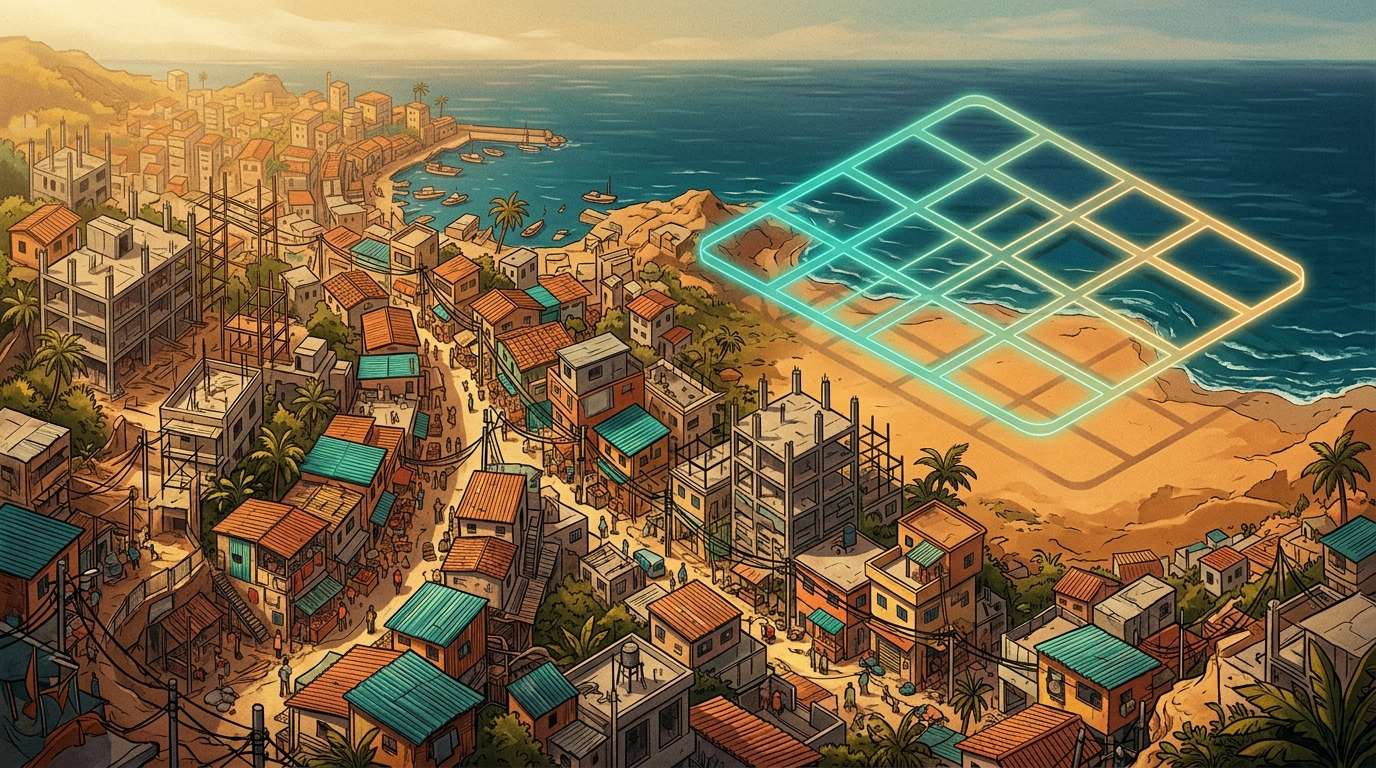
How a city got funded, before and after.
Before 2009, a group of neighbours who wanted a better place to live had one road: go through the centre. Flip the switch and compare.
Bitcoin is a tool, not a guarantee. Local law, honest people and good planning still matter.
Flora, fauna, and the people who love them.
Look at how people treat this planet and you find two kinds. Those who love the world, and those who hate it. The ones who love it plant, repair, share and protect. The ones who hate it take, burn, mock and tear down.
Cities built by the first kind look different. They keep their trees. They leave room for animals and rivers. They let the old and the young live in the same street. Until recently, funding such a city meant convincing a central body that was rarely in the room with us. Now a group of good people anywhere on earth can fund it together.
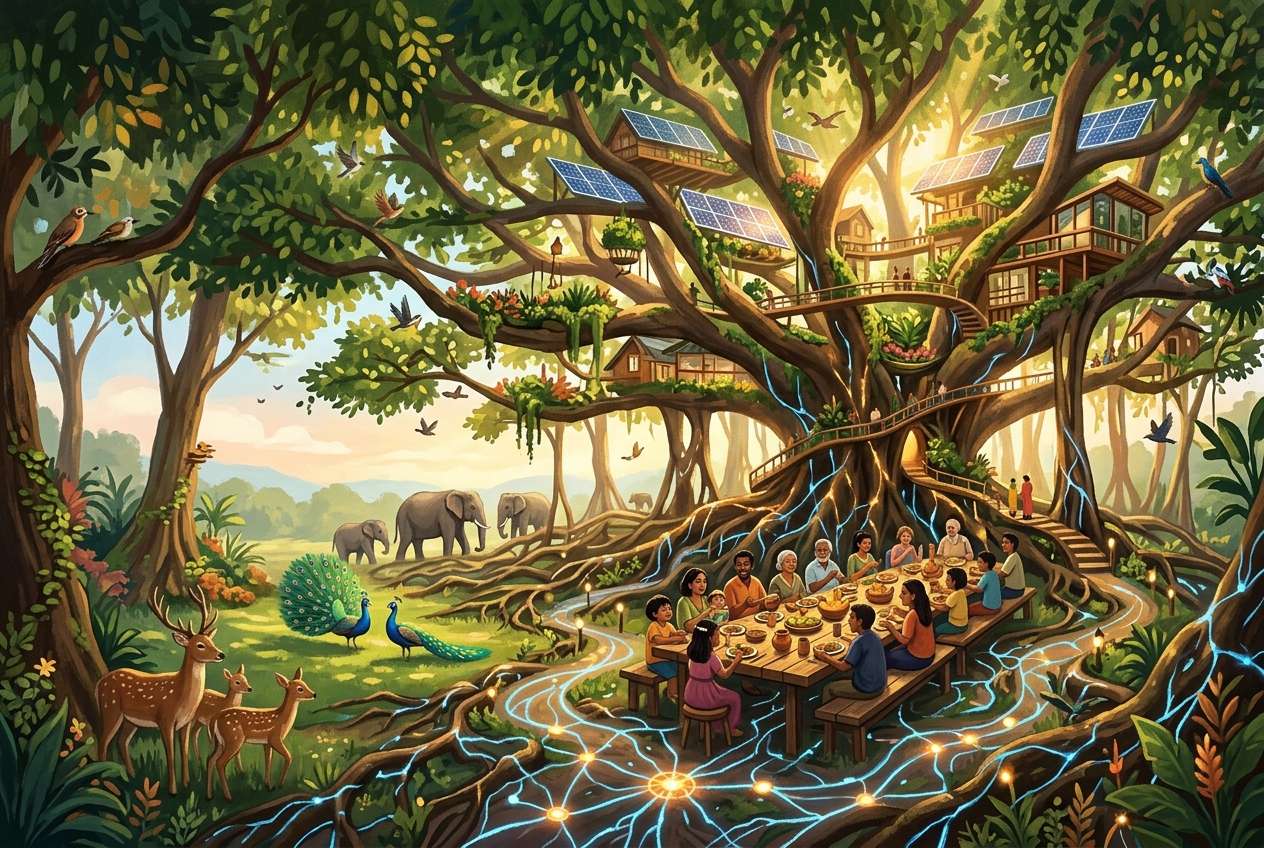
MyCity has no space for haters.Our one protocol
This is the only hard rule we have. It is not about opinions or backgrounds. It is about how you treat people, animals and the land. Read it, and sign it if it is yours.
It is not about getting rich. It is about not losing.
Imagine a mason. Thirty years of laying bricks for other people’s buildings. His wages bought less every year, his savings sat in a currency that melted, and he retired with little to show. Now imagine the same worker, able to set part of each wage aside in something that does not melt. Not to gamble on it, but to hold it. That is the quiet promise of a store of value.
Move the sliders and see the difference in an illustration. The numbers are your assumptions, not predictions.
Illustration only. Not financial advice and not a forecast. Any asset can lose value, including Bitcoin.
Pool the value. Build what the world needs.
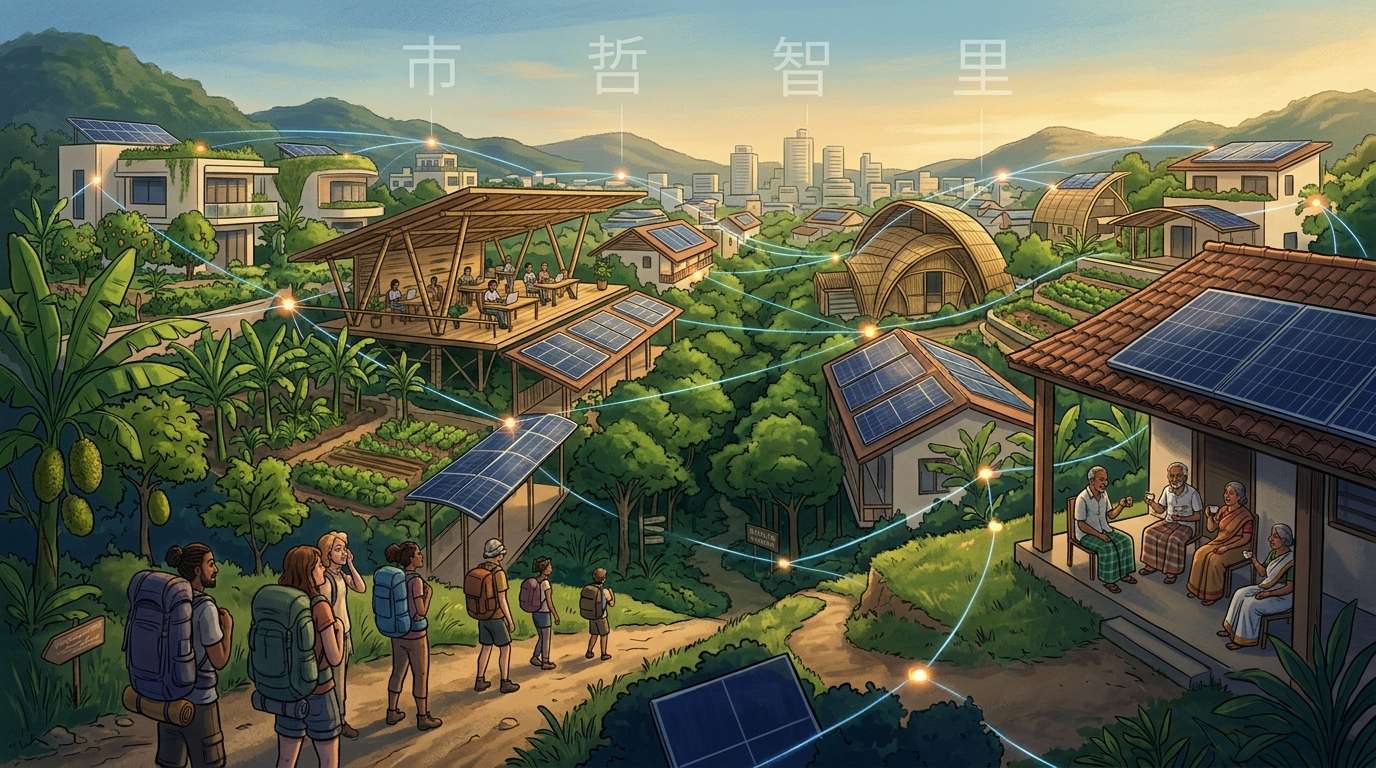
When many small stores of value meet, they become a pool, and a pool can fund real places. A retired worker’s idle savings can help build the very retirement homes that look after the elderly. Resort-style villages for older people. Co-working hubs for travelling builders. Food forests. Solar microgrids. The list is long and no ministry has to approve it. Pick the ones you would fund.
If you get it, come build.
If you don’t believe me or don’t get it, I don’t have time to try to convince you, sorry.Satoshi Nakamoto, Bitcointalk forum, 29 July 2010
We feel the same way, but kinder. We will explain it as many times as it takes, in code and in words. And if it still does not click, no hard feelings. The door stays open and the table stays long.
For everyone who does get it: a group of people who love the world, who will travel, eat, explore and build decentralised city infrastructure in the places they pass through. No middlemen, no haters, no permission slips. Read the MyCity Model or start exploring.
This article is education, not financial advice. Satoshi Nakamoto’s identity is unknown and nothing here claims otherwise.
MyCity has no involvement with Satoshi Nakamoto, directly or indirectly. We mention Satoshi because we want the world to know that we were there when it started. We were around as it began, and we knew that something was being built, though sometimes we did not know what we were building. We built on top of the work of others, exactly as Satoshi did, and that is the heart of a decentralised autonomous organisation. That shared habit is why we highlight Satoshi, and why MyCity wants to honour the idea.