Staying a month or longer changes how you should look for a place. Nightly listings are built for two-week holidays. Most long-stay remote workers get better rooms, better internet and much lower prices by renting the way Sri Lankans do: through local listing sites, town Facebook groups, agents and plain word of mouth.
This guide covers the practical side: what a month costs, where to search, what to check at a viewing, how deposits and leases work, and the red flags that should make you walk away.
// The short answer
Three ways to rent by the month
// What it costs
Monthly rent by type of place
These are rough planning ranges for one person renting a month or more in a popular base such as Colombo, Weligama, Ahangama or Ella, booked locally rather than through a platform.
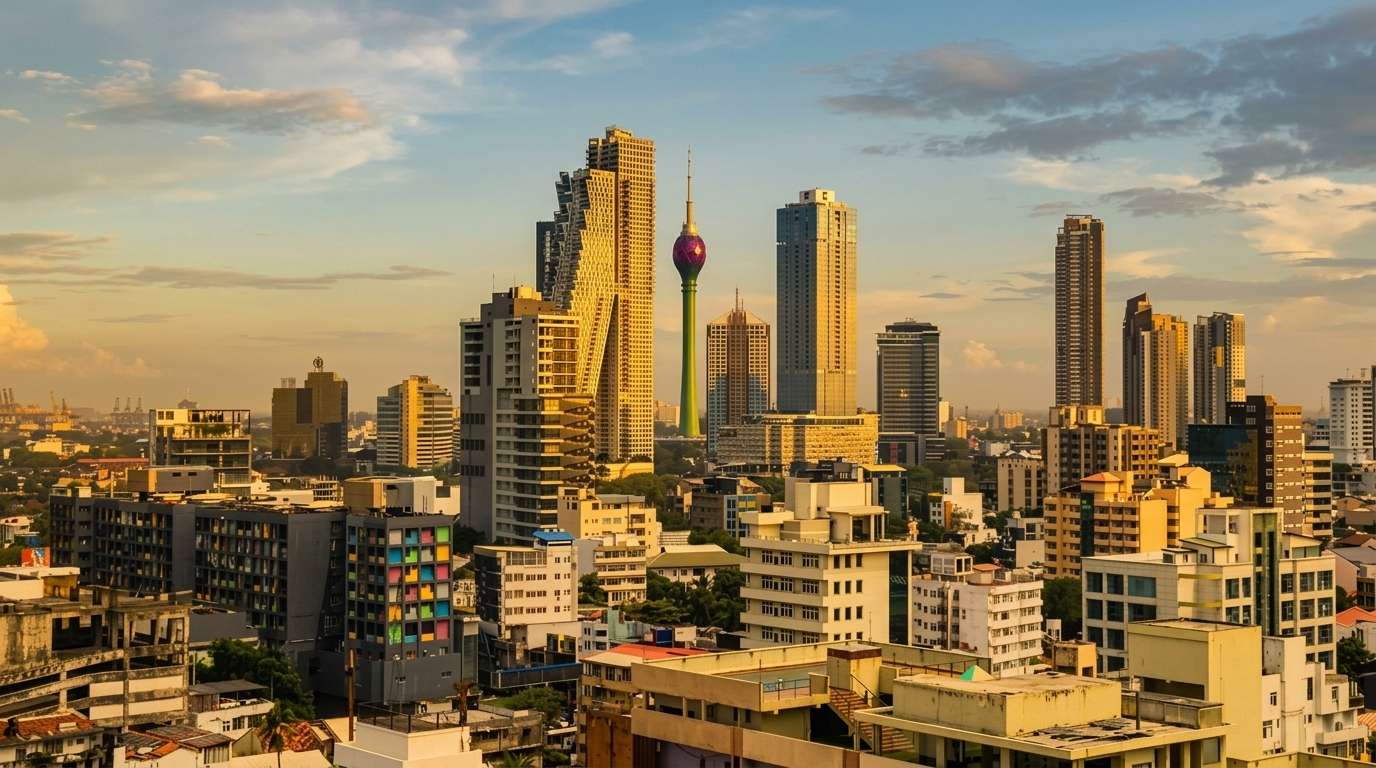
Colombo's prime areas, such as Colombo 3, 5 and 7, sit at the top of each range. Quieter inland towns and anything a few minutes back from the beach sit at the bottom. For the full monthly picture, including food, transport and coworking, see our cost of living guide.
// Where to look
Where to find a monthly place
- ikman.lk. Sri Lanka's biggest classifieds site, with thousands of apartment and house rentals. Filter by town and use the phone number to call or message the owner on WhatsApp.
- LankaPropertyWeb. A dedicated property portal with more agency listings, useful in Colombo and the larger towns.
- Town Facebook groups. Most nomad towns on the south coast have active groups for rentals, scooters and meetups. Search the town name with "rentals" or "expats".
- Local agents. Helpful in Colombo and for longer leases. The usual fee is one month's rent, so agree on who pays before you view.
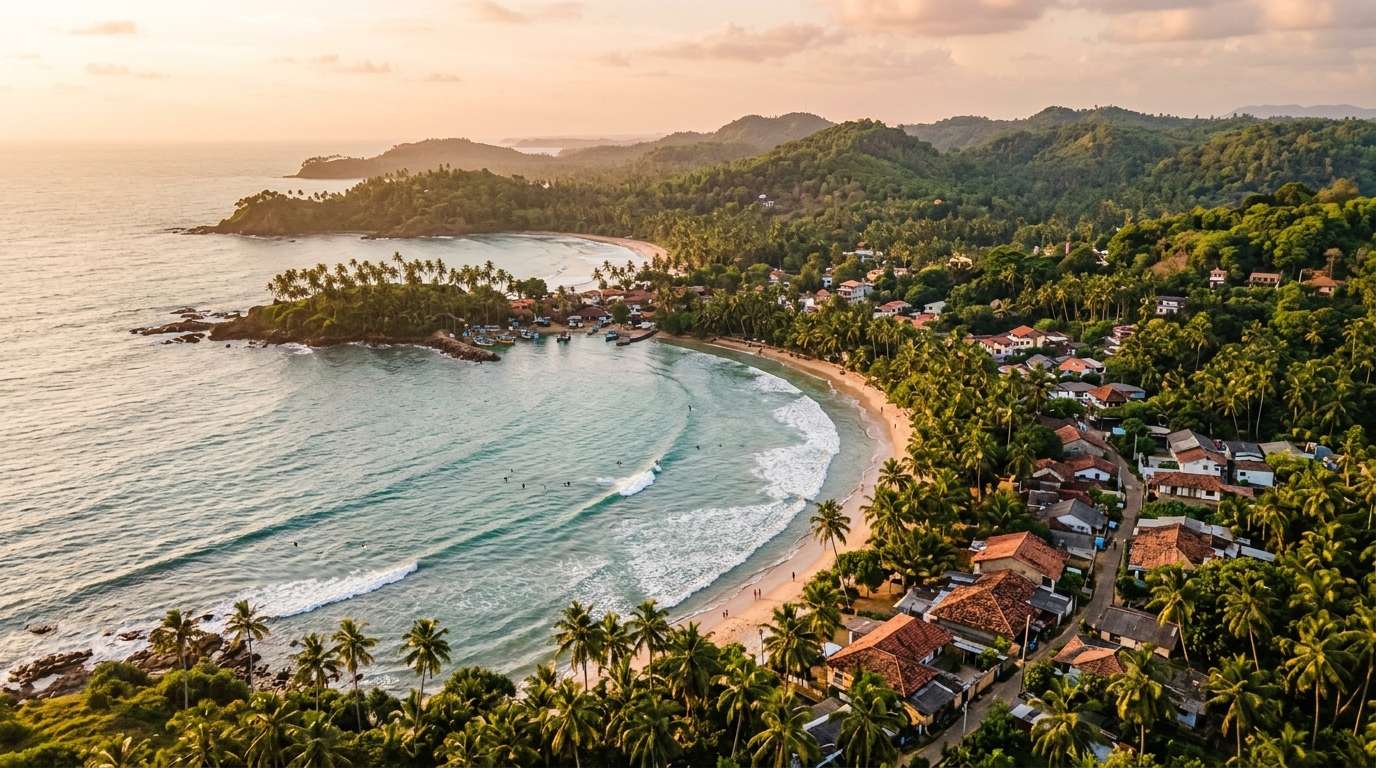
- Ask in person. On the coast, many of the best monthly deals are never listed. Walk the lanes behind the beach, ask guesthouse owners, café staff and tuk-tuk drivers, and look for "Rooms" or "For rent" signs.
A good tactic is to book a guesthouse for your first week, then look in person. Photos rarely tell you about road noise, a slow connection or how far the place is from the beach.
On the south and west coasts, December to March is peak season and prices climb fast. May to October is usually much cheaper and easier to negotiate. The east coast around Arugam Bay runs the other way, busiest from May to September. The hill country is steady year round.
// At the viewing
What to check before you commit
// Money and paperwork
Deposits, leases and stamp duty
Deposits. For furnished monthly rentals, the first month's rent plus a refundable deposit of about one month is common. Unfurnished long leases, especially in Colombo, often ask for several months in advance. Most rentals foreigners use are not covered by Sri Lanka's Rent Act, so terms are negotiable. Where the Act does apply, landlords cannot ask for more than three months' advance rent.
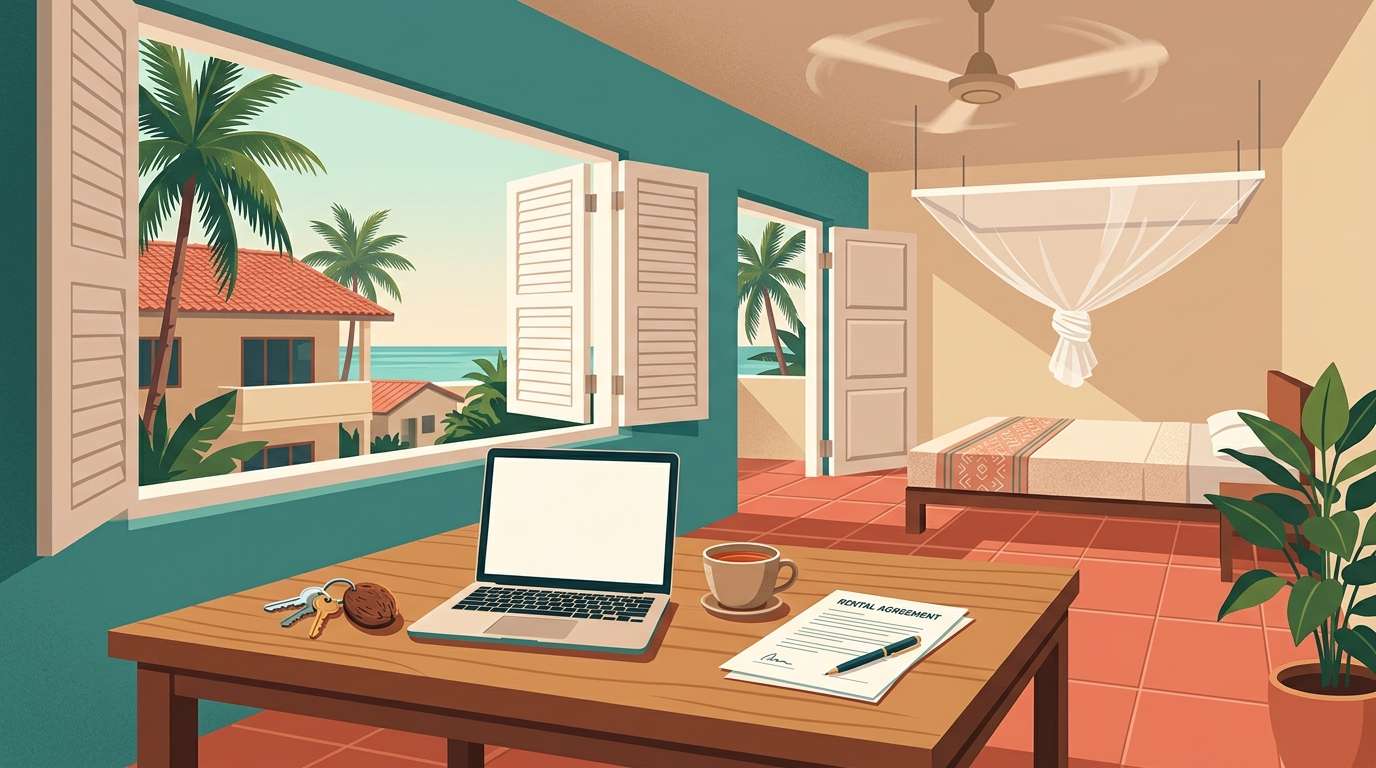
Get it in writing. Even for a single month, agree on a short written agreement that lists the rent, the deposit, what is included, the notice period and the condition of the place. One month's notice is the usual default for a monthly tenancy.
Longer leases. Leases of several months or more are usually signed in front of a notary. Stamp duty is charged on the total rent over the lease term, at about 1 percent according to Sri Lankan lawyers, when rent is above LKR 5,000 a month, and the tenant normally pays it. Since the Recovery of Possession of Premises Given on Lease Act of 2023, notarized and stamped leases also give both sides a faster route through the courts if something goes wrong.
- Pay traceably. Use bank transfer where you can, and get a written receipt for every cash payment.
- Photograph everything on move-in day, including existing damage, and send the photos to the landlord.
- Agree on the deposit return in writing: when it comes back and what can be deducted.
Sri Lankan police ask property owners to register their tenants at the local police station, and in May 2026 they warned landlords after rented homes were used for online fraud. Expect your landlord to ask for a copy of your passport and visa. That is normal, and a landlord who keeps proper records is usually a careful one.
// Red flags
Scams and when to walk away
- A deposit before you have seen the place. If you cannot visit, ask for a live video call that walks through every room and the street outside.
- A price far below everything else nearby. Copied photos and fake listings are common on classifieds and social media.
- Pressure to pay today because "another foreigner wants it".
- No clear owner. Ask who owns the property and meet them, or confirm the agent is acting for them.
- Refusal to put anything in writing, or to give receipts.
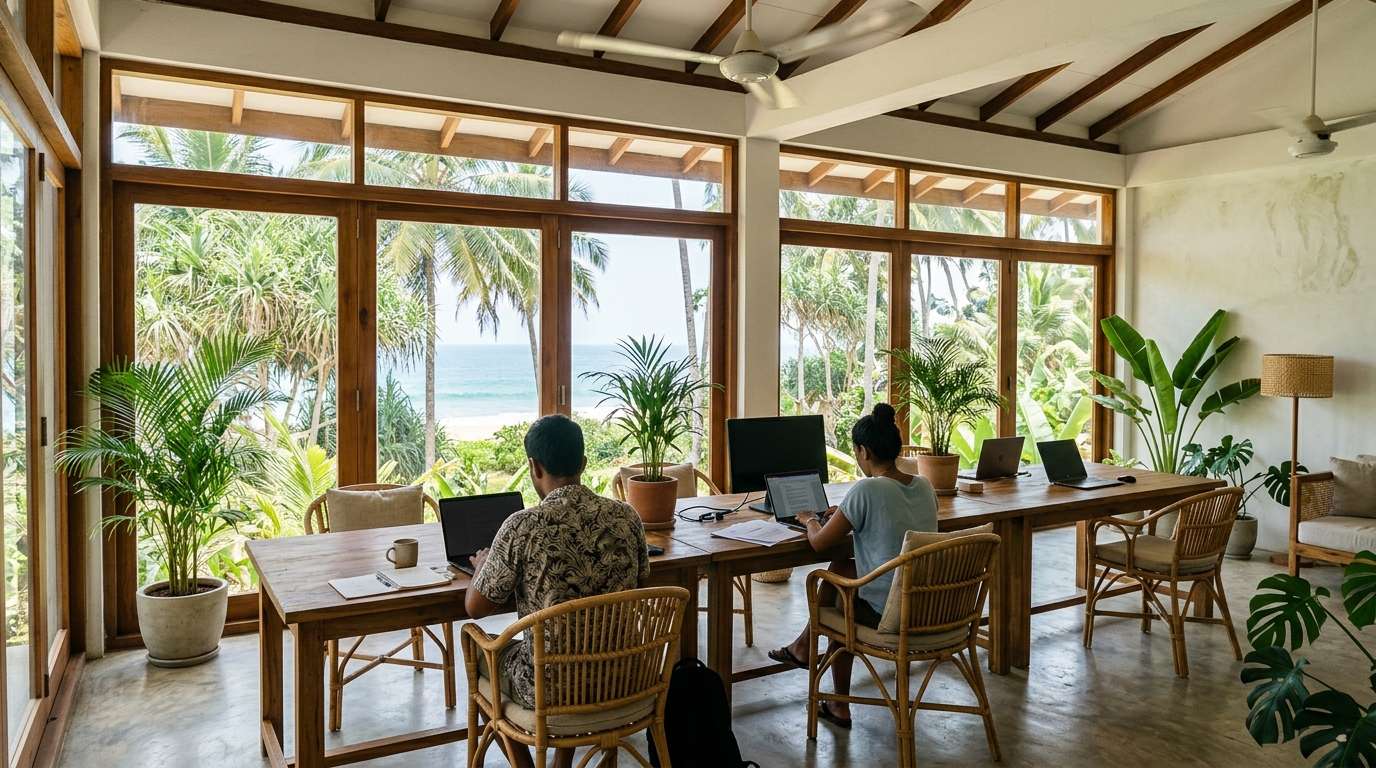
Still deciding on a town? Our ranking of the best places to live in Sri Lanka for digital nomads compares rent, internet and lifestyle, and our coworking guide shows where you can work in each one. Planning to stay a year? The Digital Nomad Visa lets you live here legally while you work.
Book a week, then find your month in person.
Search locally, avoid peak season if you can, test the internet at the viewing, and never pay a deposit for a place you have not seen. Do that and US$300 to US$600 a month gets you a comfortable base almost anywhere on the island.
// Common questions
Long-term rentals in Sri Lanka: frequently asked questions
-
How much does a long-term rental cost in Sri Lanka?
Expect roughly US$300 to US$600 a month for a furnished studio or one-bedroom with air conditioning in Colombo's residential areas or the popular south coast towns. Simple rooms cost less, and villas with pools cost more. Monthly rates booked through short-stay platforms are often two to three times the local price.
-
Can foreigners rent a house or apartment in Sri Lanka?
Yes. Foreigners can rent homes in Sri Lanka on a tourist visa or the Digital Nomad Visa. Your landlord will usually ask for a copy of your passport so your stay can be registered with the local police.
-
How much deposit do landlords ask for in Sri Lanka?
For furnished monthly rentals, the first month's rent plus a refundable deposit of about one month is common. Unfurnished long leases in Colombo often ask for several months in advance. For premises covered by the Rent Act, advance rent is capped at three months.
-
Where can I find long-term rentals in Sri Lanka?
The main local listing sites are ikman.lk and LankaPropertyWeb. Town-based Facebook groups, local agents and simply asking guesthouses in person also work well, especially on the south coast.
-
Do I need a notarized lease to rent in Sri Lanka?
Not for a short monthly stay, but you should always have a written agreement. Longer leases are usually signed in front of a notary, and stamp duty is charged on the total rent, at about 1 percent according to Sri Lankan lawyers, when the rent is above LKR 5,000 a month.